
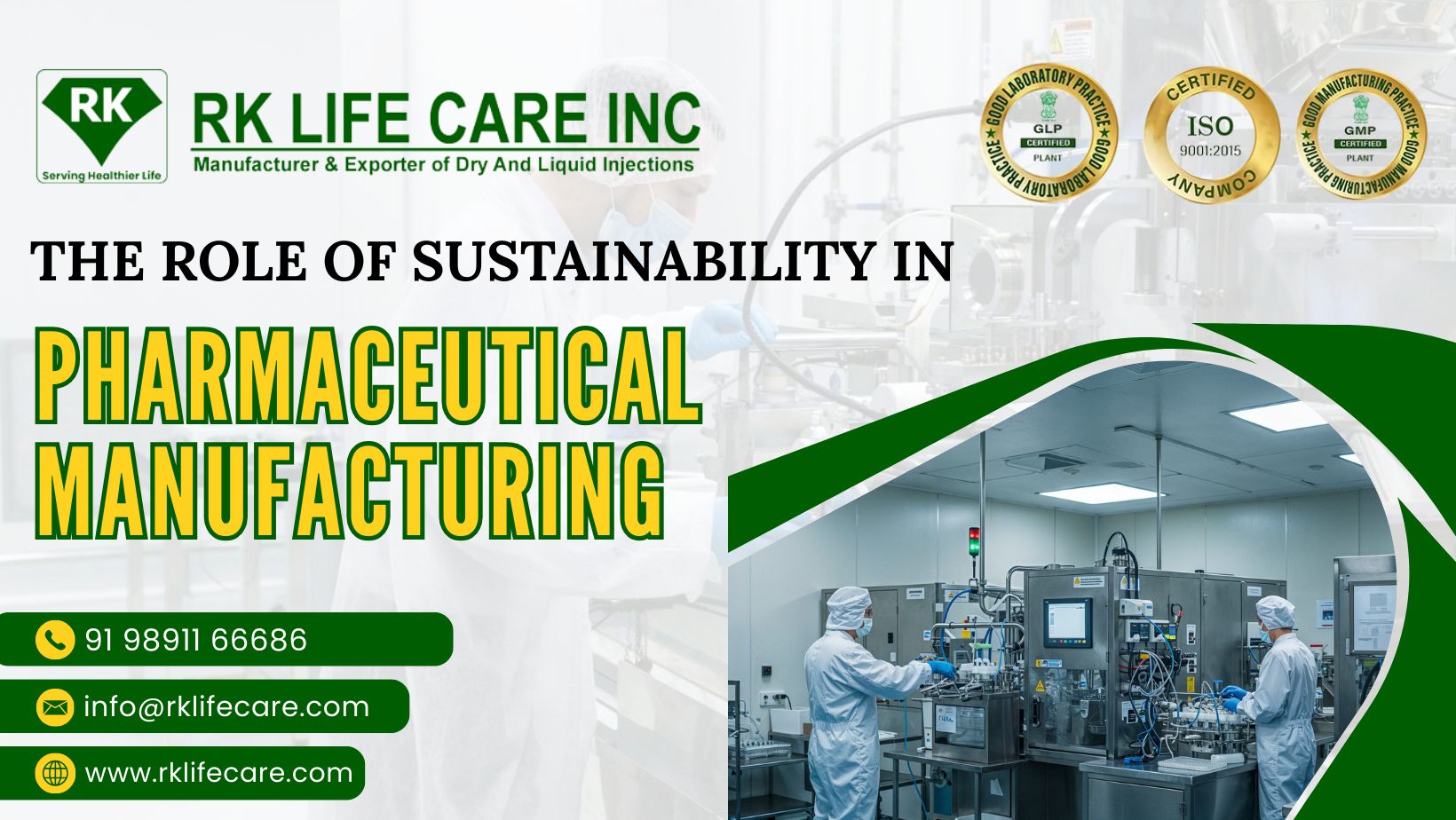
The pharmaceutical industry plays a vital role in improving global health, but its environmental impact has become a growing concern. From energy-intensive production processes to complex supply chains and chemical waste, pharmaceutical manufacturing can have a significant impact on the environment. As environmental awareness increases and regulations become stricter, sustainability is no longer an option – it has become a strategic imperative for pharmaceutical companies worldwide.
Understanding Sustainability in Pharma Manufacturing
Sustainability in pharmaceutical manufacturing means adopting practices that minimize environmental impact while maintaining product quality, patient safety, and regulatory compliance. This includes responsible resource use, reduced emissions and waste, ethical sourcing of raw materials, and long-term economic and social responsibility.
By integrating sustainability into their manufacturing operations, pharmaceutical companies can align business growth with environmental stewardship and public health goals.
Environmental Challenges in Pharmaceutical Production
Pharmaceutical manufacturing involves complex chemical processes that require significant amounts of energy, water, and raw materials. Some of the key environmental challenges include:
- High energy consumption during synthesis, formulation, and packaging
- Water usage and wastewater pollution from the production of Active Pharmaceutical Ingredients (APIs)
- Chemical waste and solvent emissions that can harm ecosystems
- Carbon emissions from transportation and global supply chains
Addressing these challenges requires innovation, investment, and a commitment to sustainable practices.
Key Sustainable Practices in Pharmaceutical Manufacturing
1. Green Chemistry and Process Optimization
Green chemistry focuses on designing processes that minimize or eliminate hazardous substances. By optimizing chemical reactions, using safer solvents, and improving yield efficiency, manufacturers can significantly reduce waste and environmental risks.
2. Energy Efficiency and Renewable Energy
Upgrading to energy-efficient equipment, improving facility insulation, and implementing smart energy management systems can reduce energy consumption. Many pharmaceutical companies are also investing in renewable energy sources such as solar and wind to reduce their carbon footprint.
3. Water Conservation and Wastewater Management
Implementing closed-loop water systems, recycling process water, and utilizing advanced wastewater treatment technologies helps reduce water consumption and prevent pharmaceutical residues from entering natural water systems.
4. Sustainable Packaging Solutions
Pharmaceutical packaging often relies on plastics and multi-layer materials. Sustainable alternatives—such as recyclable materials, reduced packaging designs, and biodegradable options—can significantly reduce waste without compromising product safety.
5. Responsible Supply Chain Management
Sustainability extends beyond manufacturing facilities. Ethical sourcing of raw materials, supplier audits, reducing transportation emissions, and local sourcing where possible contribute to a more sustainable pharmaceutical supply chain.
Regulatory and Business Drivers for Sustainability
Governments and regulatory bodies are increasingly implementing environmental standards for pharmaceutical manufacturers. Adhering to environmental regulations not only avoids penalties but also enhances a company's reputation. From a business perspective, sustainable practices offer several advantages:
- Cost savings through energy and resource efficiency
- Reduced operational risks
- Enhanced brand reputation and investor confidence
- Improved alignment with Environmental, Social, and Governance (ESG) goals
The Future of Sustainable Pharmaceutical Manufacturing
The future of pharmaceutical manufacturing lies in innovation-driven sustainability. Advancements in biotechnology, continuous manufacturing, digital monitoring, and AI-based process optimization are helping companies produce medicines more efficiently and with a reduced environmental impact.
As consumers, healthcare providers, and regulators demand greater accountability, sustainability will continue to shape the growth of the pharmaceutical industry.
Conclusion
Sustainability in pharmaceutical manufacturing is no longer just about environmental responsibility – it's about ensuring long-term resilience, regulatory compliance, and trust in the healthcare system. By embracing sustainable practices, RK Life Care Inc is committed to protecting the planet while delivering safe, high-quality, life-saving medicines to patients worldwide.
Comments
No comments yet. Be the first to share your thoughts!
Leave a Comment